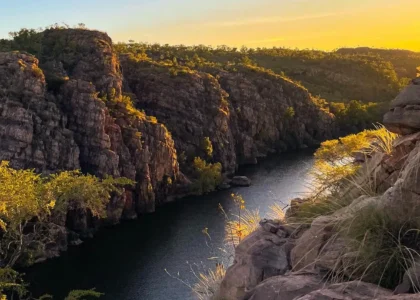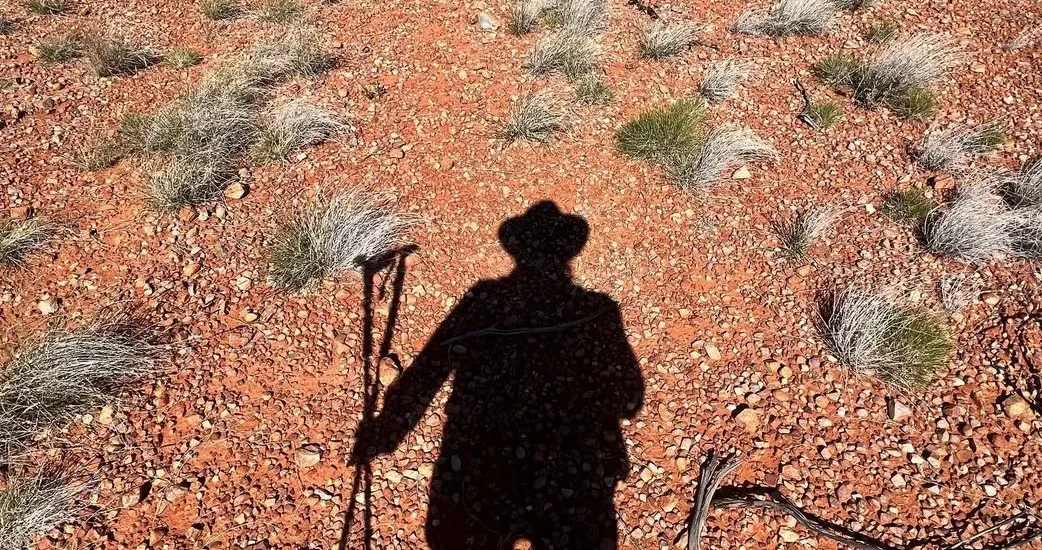
The Larapinta Trail is one of Australia’s most famous desert walks, 230km across the West MacDonnell Ranges. Known for mountains and rough and uneven ground, this is a challenging walk for experienced hikers, bushwalkers and fit people. As a 3-5 Australian trail, it requires physical endurance, preparation and knowledge of conditions, including extreme temperatures, rough sections and technical climbs.
Contents
Trail Grading System
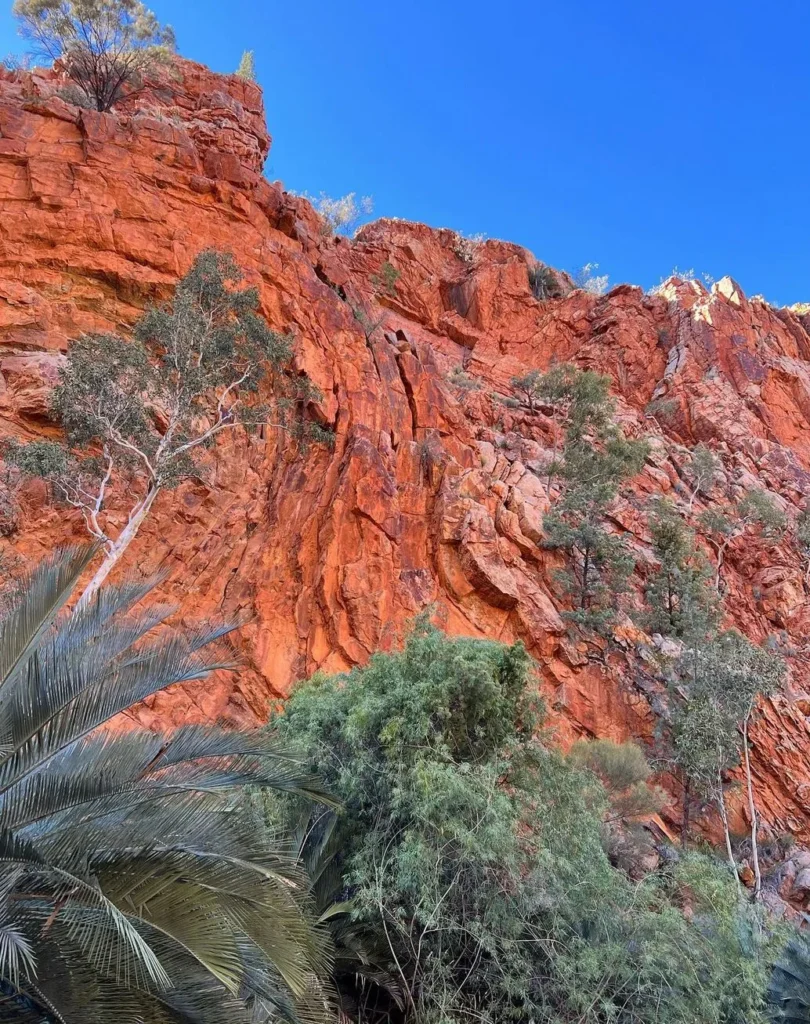
Before we get into the grading of the Larapinta Trail, it’s good to understand the grading system used in Australia. Trails are graded on difficulty determined by distance, terrain, climate and altitude. The scale goes from Grade 1 (easy) to Grade 5 (extremely difficult).
- Grade 1: Easy, suitable for most people and families.
- Grade 2: Moderate for those with some experience.
- Grade 3: Hard, fit and some experience.
- Grade 4: It is very hard for experienced hikers who are prepared for rough conditions.
- Grade 5: Extreme for the most skilled and fit hikers.
Larapinta Trail Grading
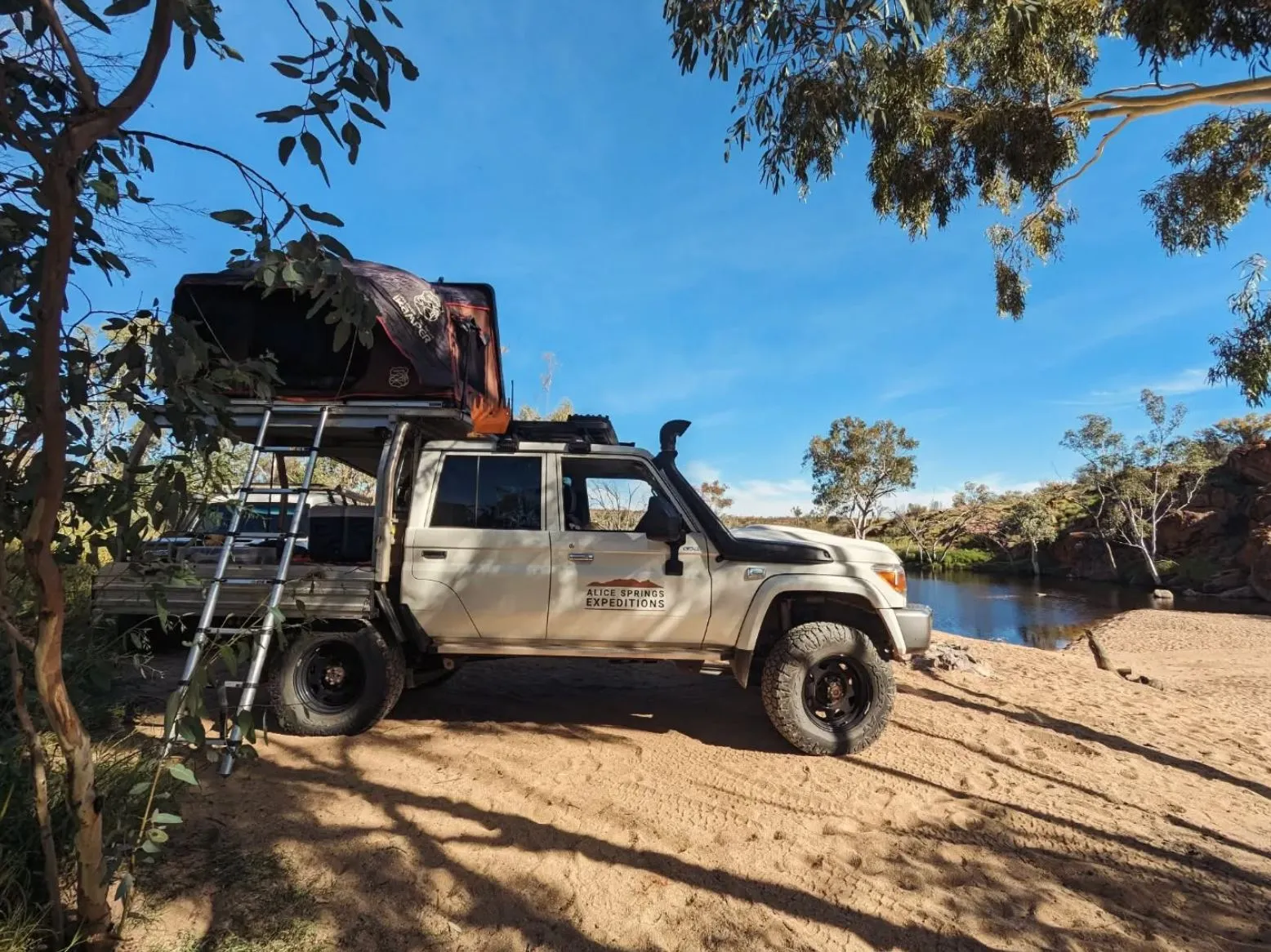
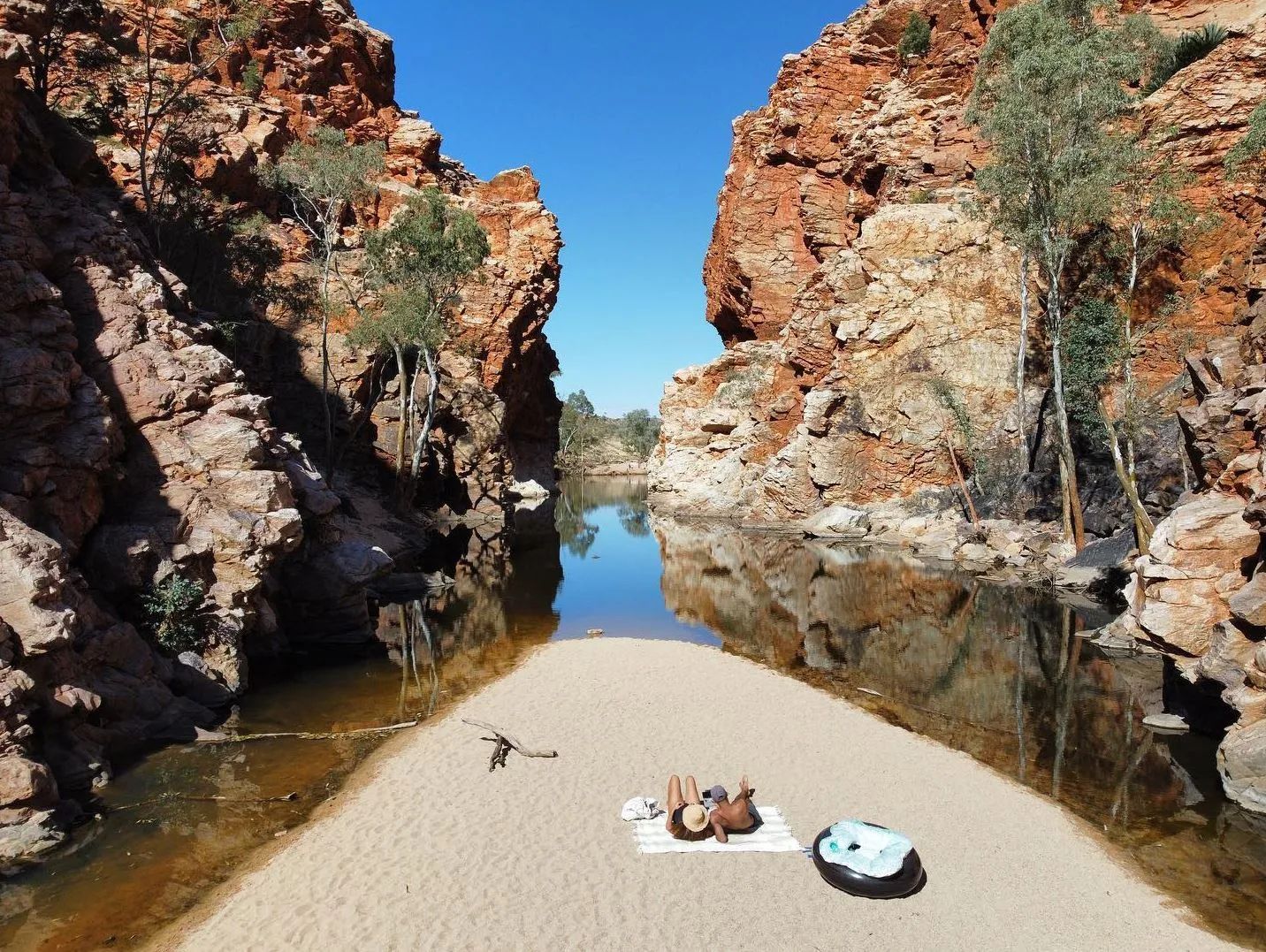
The Larapinta Trail is graded 4-5, depending on the section—one of the toughest multi-day walks in Australia.
Section Breakdown
The Larapinta Trail is divided into 12 sections, each with its own level of difficulty. Here’s a breakdown of some of the key sections:
| Section | Distance (km) | Grade | Highlights |
|---|---|---|---|
| Section 1: Alice Springs to Simpsons Gap | 24 km | Grade 4 | Flat trails, great for beginners, and scenic views. |
| Section 2: Simpsons Gap to Jay Creek | 26.2 km | Grade 5 | Challenging ascents, rocky terrain. |
| Section 3: Jay Creek to Standley Chasm | 13.6 km | Grade 4 | It is a shorter distance but with steep climbs. |
| Section 4: Standley Chasm to Birthday Waterhole | 17.7 km | Grade 5 | Technical and requires some scrambling. |
| Section 5: Birthday Waterhole to Hugh Gorge | 16 km | Grade 5 | Isolated, remote terrain requires navigation. |
| Section 6: Hugh Gorge to Ellery Creek | 31.2 km | Grade 5 | One of the longest, most challenging sections. |
| Section 7: Ellery Creek to Serpentine Gorge | 13.8 km | Grade 4 | Easier section, stunning landscapes. |
| Section 8: Serpentine Gorge to Serpentine Chalet Dam | 14.4 km | Grade 5 | Remote terrain with steep climbs. |
| Section 9: Serpentine Chalet Dam to Ormiston Gorge | 28.6 km | Grade 5 | Demanding trail with technical navigation. |
| Section 10: Ormiston Gorge to Finke River | 20.4 km | Grade 4 | More accessible trail, iconic views. |
| Section 11: Finke River to Redbank Gorge | 26.3 km | Grade 5 | Challenging climbs, remote wilderness. |
| Section 12: Redbank Gorge to Mt Sonder | 15.8 km | Grade 5 | The final ascent to Mt. Sonder has breathtaking views. |
Summary:
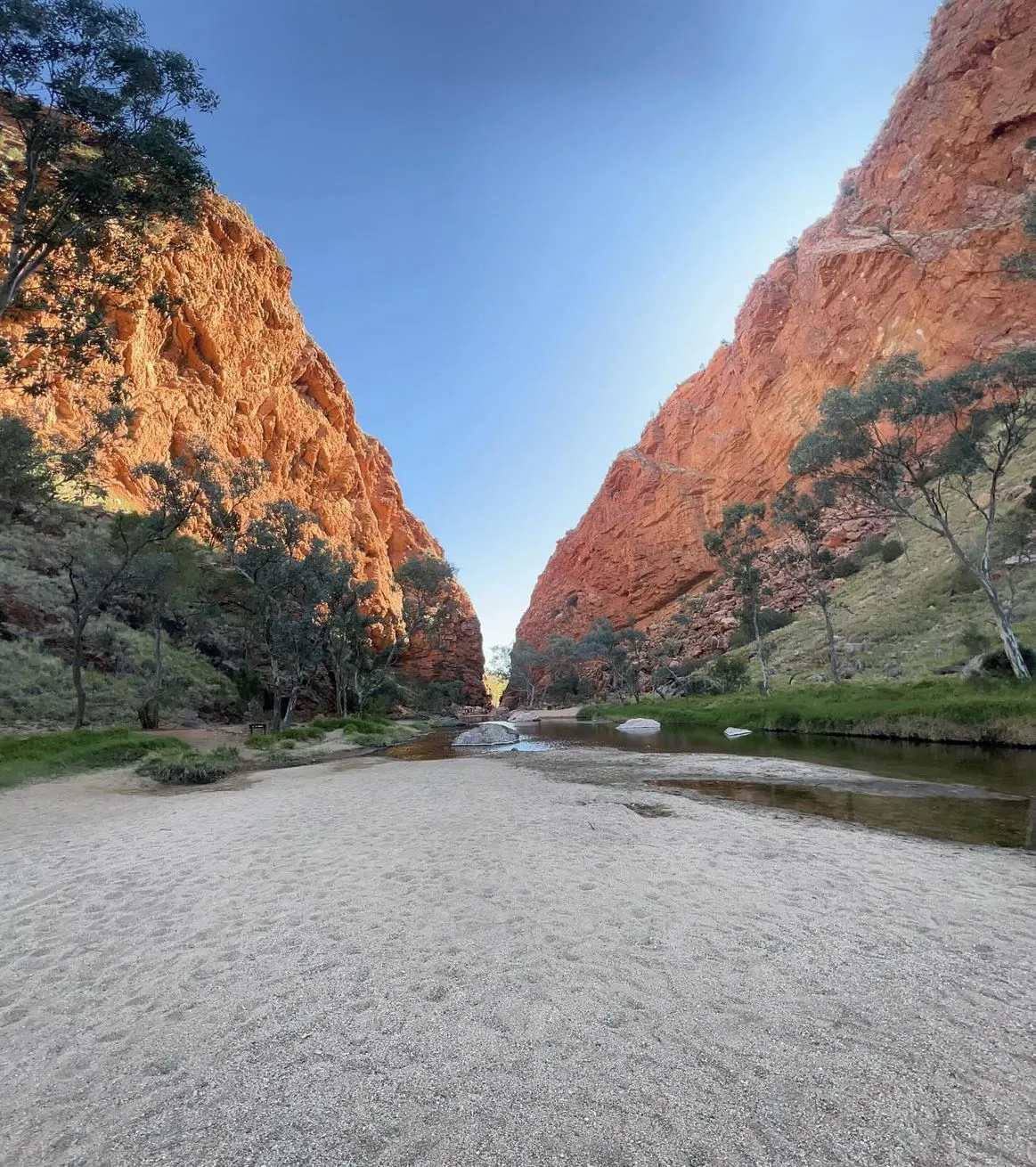
- Grades: 4-5, with harder sections in the middle (especially 2, 5, 6, 8, 9, 11 & 12)
- Hardest Section: 12 — the final push to the top of Mount Sonder
- Easiest Section: 1 — flat, scenic and well defined
Measuring the Challenge
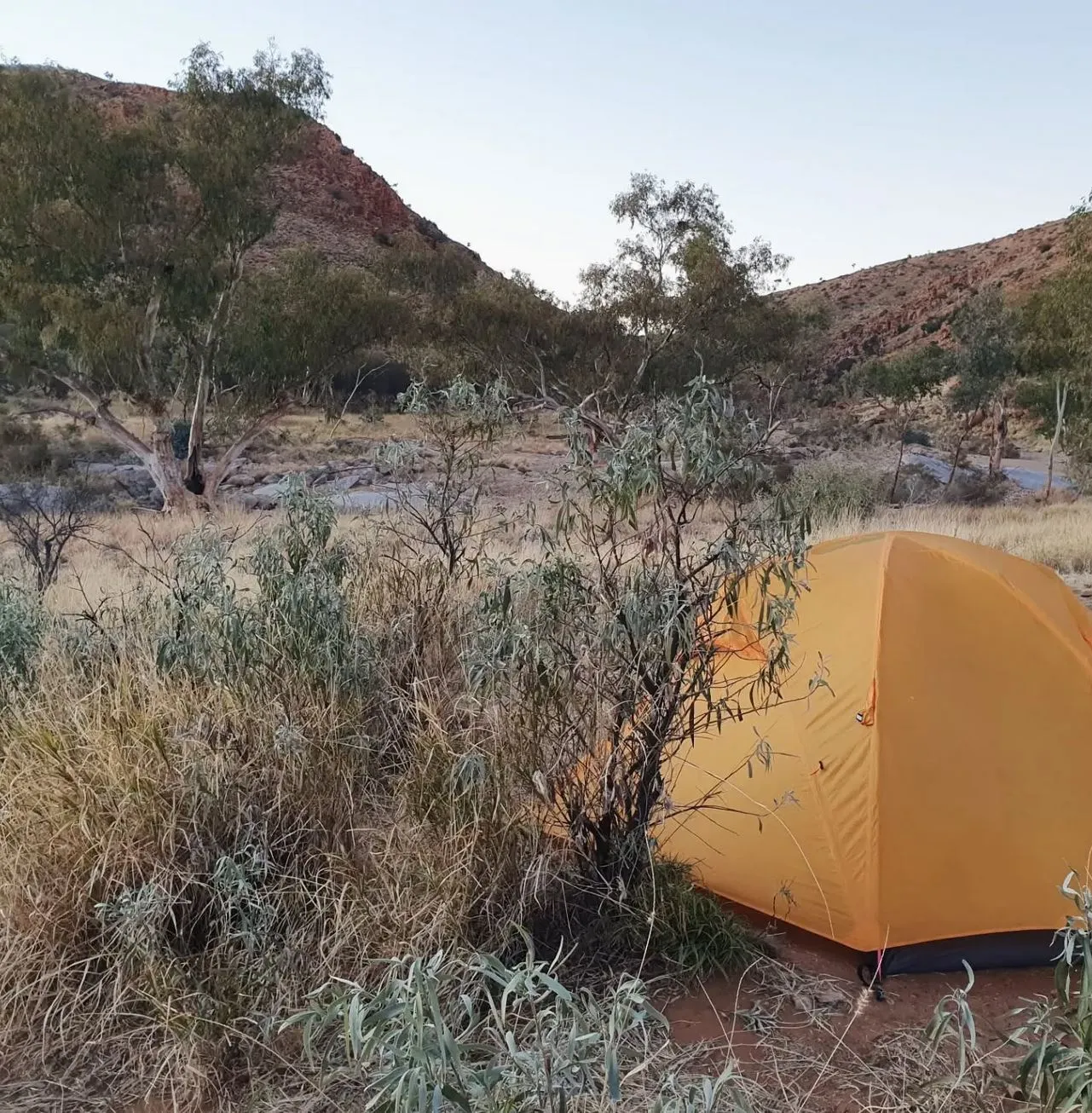
The Larapinta Trail is rated 4, one of the toughest in Australia. 4 means it’s best for experienced hikers or those with special skills and high fitness.
Several reasons why the Larapinta Trail is tough:
Length and Duration
The trail is over 230km and takes 12-14 days to complete. Hikers need to be prepared for long days of walking and have endurance. Days of food, pre-purchased food and water drops are essential in many sections of the trail as the area is remote and water sources are limited.
Elevation and Steep Hill Sections
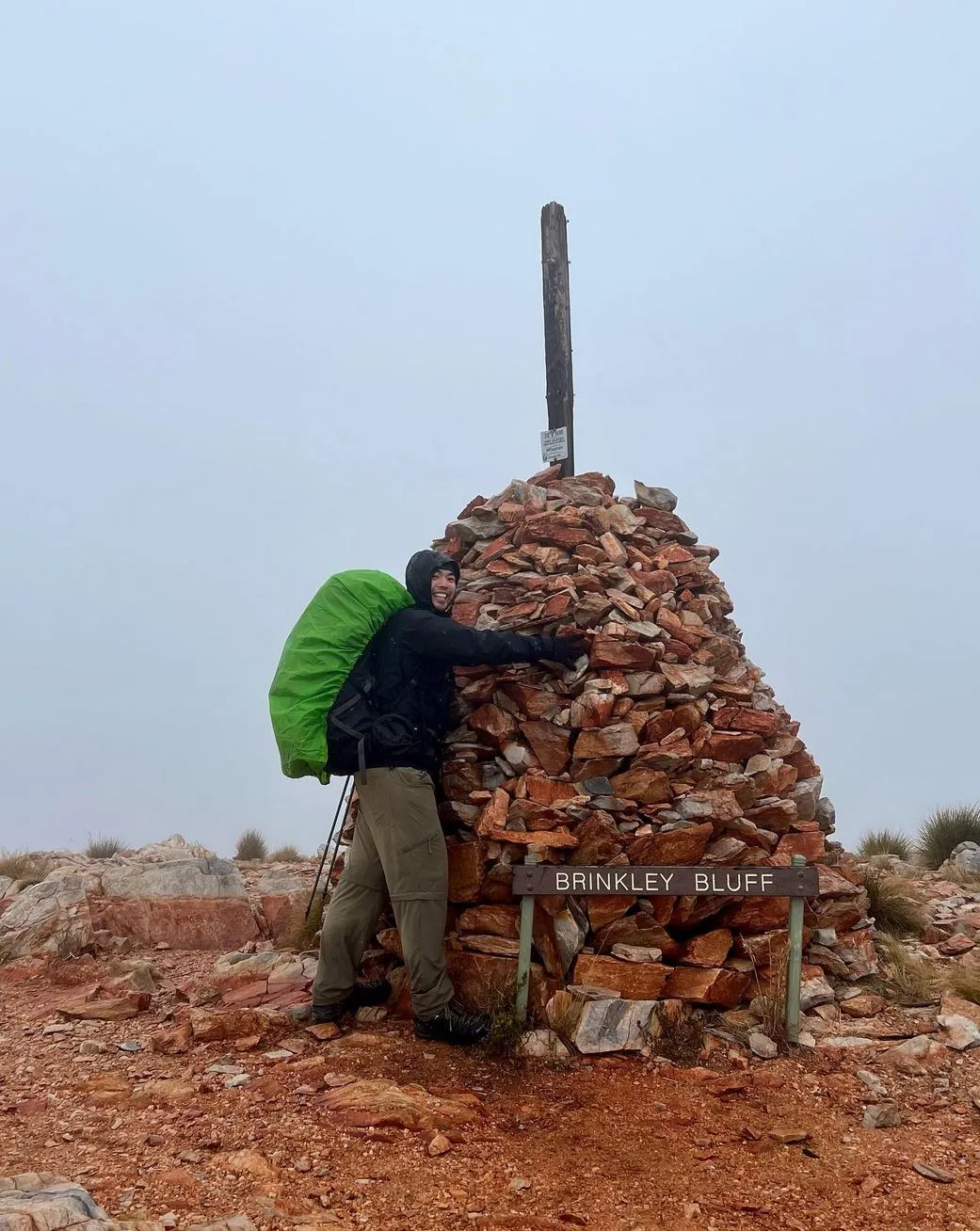
Sections like Brinkley Bluff, Mount Sonder and Euro Ridge involve big elevation gain, some sections are very steep (up to 1000m) and the terrain is rocky and requires careful navigation through narrow gorges, jagged outcrops and rugged terrain.
Trail Conditions
Uneven and rocky terrain will slow you down, especially after rain, when some sections become slippery. Some sections are gentle hills, and others, like Serpentine Gorge and Hugh Gorge, are more challenging with loose gravel and rock scrambles. Trailheads like Ellery Creek, Fringe Lily Creek and Jay Creek lead to remote and difficult sections that require navigation skills.
Environmental Factors
The Larapinta Trail goes through desert country with extreme temperatures from 40°C (104°F) during the day to -5°C (23°F) at night. Hikers need to be prepared for bad weather and have proper clothing, including trekking boots, hiking pants, a head torch and a day pack.
Safety
The trail is remote, so hikers need to be self-sufficient and carry enough water (up to 4L per day), food and emergency supplies. On some sections, you will need to arrange food drops and carry a weighted day pack for multi-day hikes. With hot showers at some exclusive eco-comfort camps (5 nights exclusive eco-comfort camp), you need to balance comfort and wilderness exposure. Also, be aware of wildlife, snakes and dingoes.
Key Sections of the Trail
Some of the best bits of the Larapinta Trail are:
- Ormiston Gorge to Redbank Gorge: This is tough, serious fitness required due to rocky terrain and ups.
- Mount Sonder: As the highest point of the trail, the top of Mount Sonder has great views but is a steep, rocky climb. It is one of the most popular sections of the trail.
- Ellery Creek Big Hole: Has beautiful waterholes, easier paths but still has narrow gorges and uneven terrain.
- Brinkley Bluff: Great views, steep, rough terrain and navigational challenges.
Preparation and Tips for the Trail
As a Grade 4 trail, you must prepare well before you start the Larapinta Trail. Here are some tips:
Physical Preparation
It would be best if you built up your aerobic fitness and muscular endurance before you start the trail. Long-pack carrying walks or hours for leg strengthening will prepare your body for multi-day trekking. Practice hiking with a loaded day pack to simulate the conditions of the trail.
Pack Light but Smart
When preparing for the Larapinta, bring only what you need: water-free, clean and airy amenities, trekking boots, and suitable clothing. Some hikers bring safari-style tents and private tents for extra comfort, especially at exclusive camps like the Multi Award-Winning Eco-Comfort camps. Hot water boiler and tank water are an extra luxury after a long day of hiking.
Hydration
Bring plenty of water. Many sections are far from water sources. Bring litres of water each day and plan accordingly.
Be Safe
Tell someone about your hiking plans, and consider hiring a guide if you are not familiar with Australian trails. 3:30 pm pre-trip briefing will get you trail wind and trail rating ready.
Conclusion
The Larapinta Trail is a Grade 4 track that’s an iconic desert trail experience with rough terrain, mountains and steep hills. It would help if you had physical fitness and experience, so it’s for seasoned hikers and experienced bushwalkers. With the right prep, fitness and determination, you can have one of the best hiking experiences in the heart of Australia’s old country.
If you want a guided experience a Larapinta Trail Tour will give you expert knowledge, safety and convenience so you can make the most of this iconic desert trail and the rough rocky terrain and rugged landscapes.
FAQ
What level of fitness do I need for the Larapinta Trail?
Grade 4 hike, good aerobic fitness and regular exercise. High endurance is needed due to rough terrain and mountains.
Can I camp along the track?
Yes, Eco-Comfort camps along the track, private tents and safari-style tents with hot showers and water-free, clean and airy amenities.
How long does it take?
12 to 14 days, depending on pace and rest days.
What to bring to the Larapinta Trail?
Trekking boots, hiking pants, water bottles, day pack, tent, sun protection, head torch for night hikes.
When to hike the Larapinta Trail?
May to September, cooler months to avoid heat and bad weather.