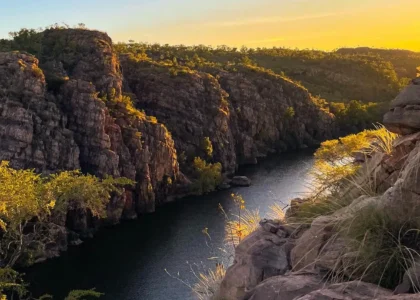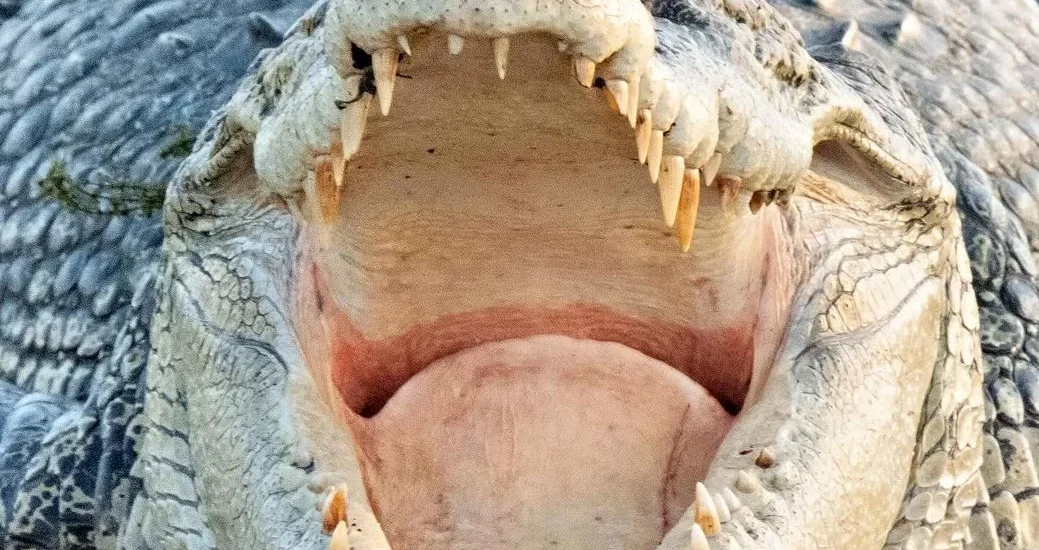
Kakadu National Park is one of Australia’s most iconic wild countries, with stunning landscapes, rich Indigenous culture and diverse wildlife. Among the many amazing creatures that call Kakadu home, one stands out as the symbol of the region and its top predator—the saltwater crocodile, the biggest reptile on Earth. These ancient creatures have been here for millions of years. They are part of Kakadu’s natural environment and an important part of the local ecosystem.
Contents
Where Salties Rule
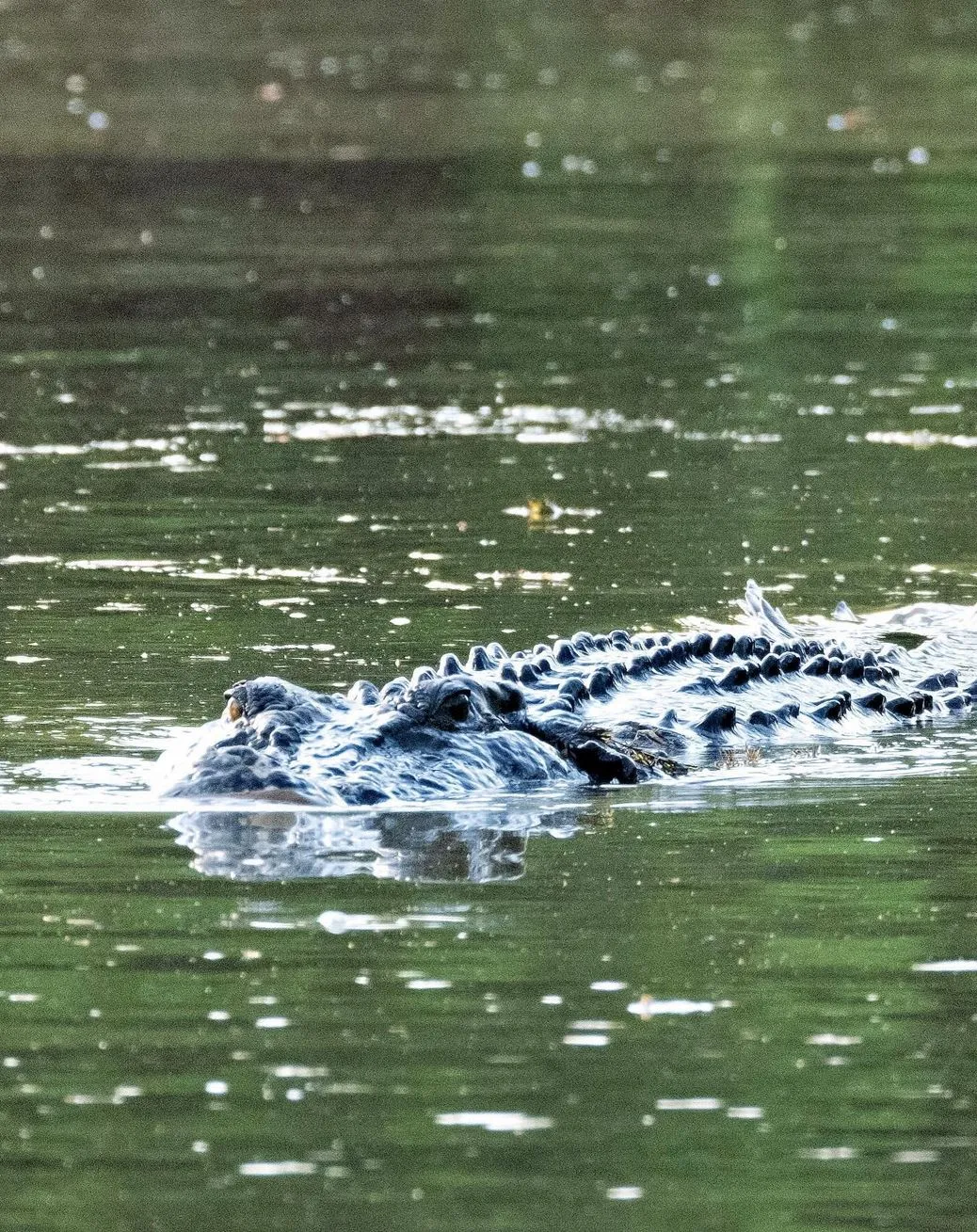
Salties are everywhere in Kakadu National Park. They inhabit the rivers, floodplains, billabongs, freshwater rivers and estuaries, so visitors need to be on the lookout and follow crocodile awareness signs and croc warning signs to be safe.
While salts dominate the waterways, freshwater crocs or “freshies” also live in the bodies of water in Kakadu. Unlike their bigger, more aggressive relatives, freshies are not as dangerous to humans unless provoked. They eat smaller prey and can often be seen basking in the sun, regulating their body temperature like other cold-blooded creatures.
Best Places to See
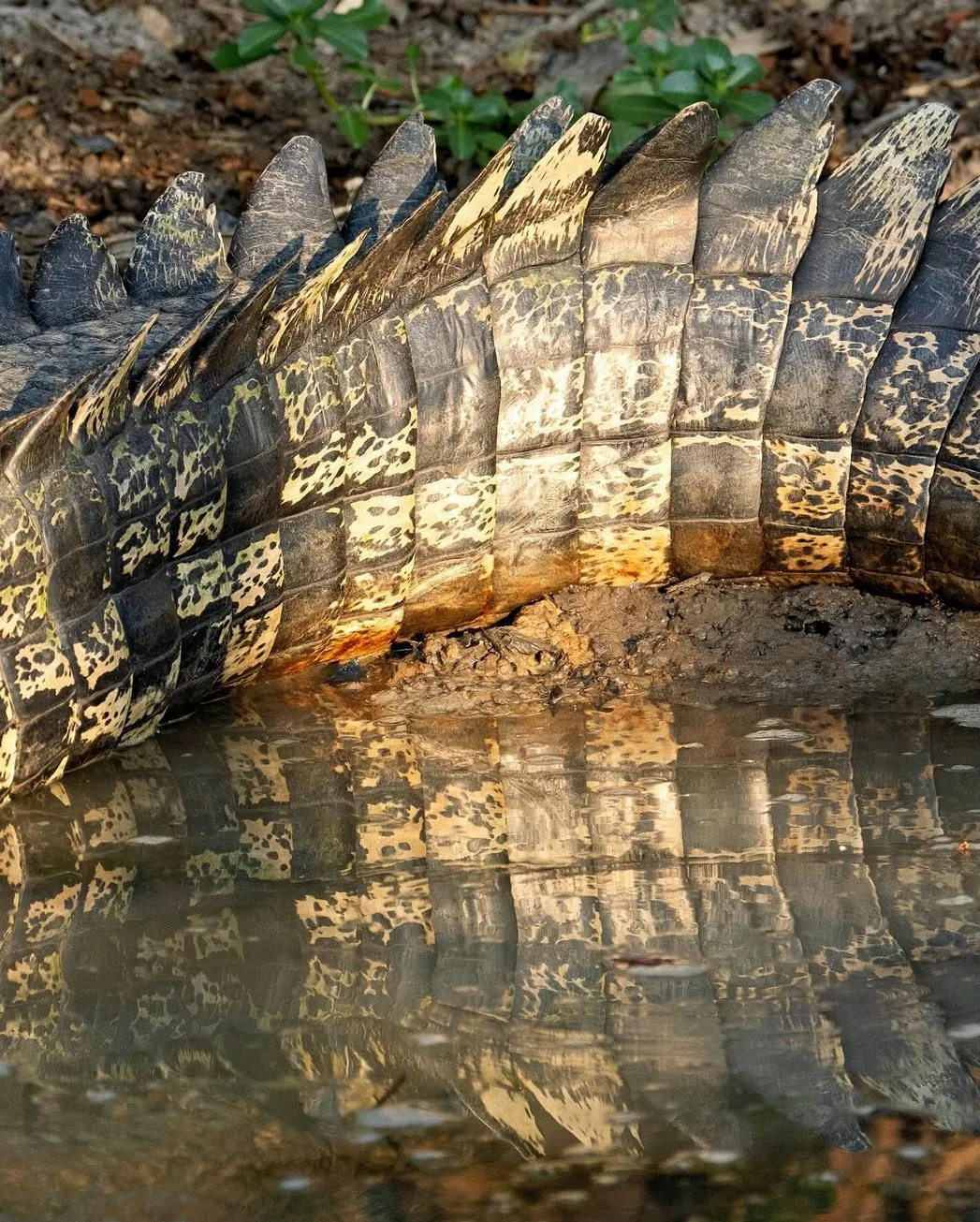
Visitors have several opportunities to see wild crocs in the wild, including:
- Yellow Water Billabong – A hot spot for croc sightings, best done on a croc cruise.
- East Alligator River – Despite its name, this river is famous for its big croc population and croc crossing.
- South Alligator River – Another great spot to see these ancient creatures.
- Cahills Crossing – A popular viewing point where crocs gather, especially at high tide. This is also where croc attacks are most common.
For the safest and most informative experience many visitors choose to do Kakadu National Park tours which provide expert guides and insights into the park’s unique ecosystem and croc habitats.
How Deadly Are They?
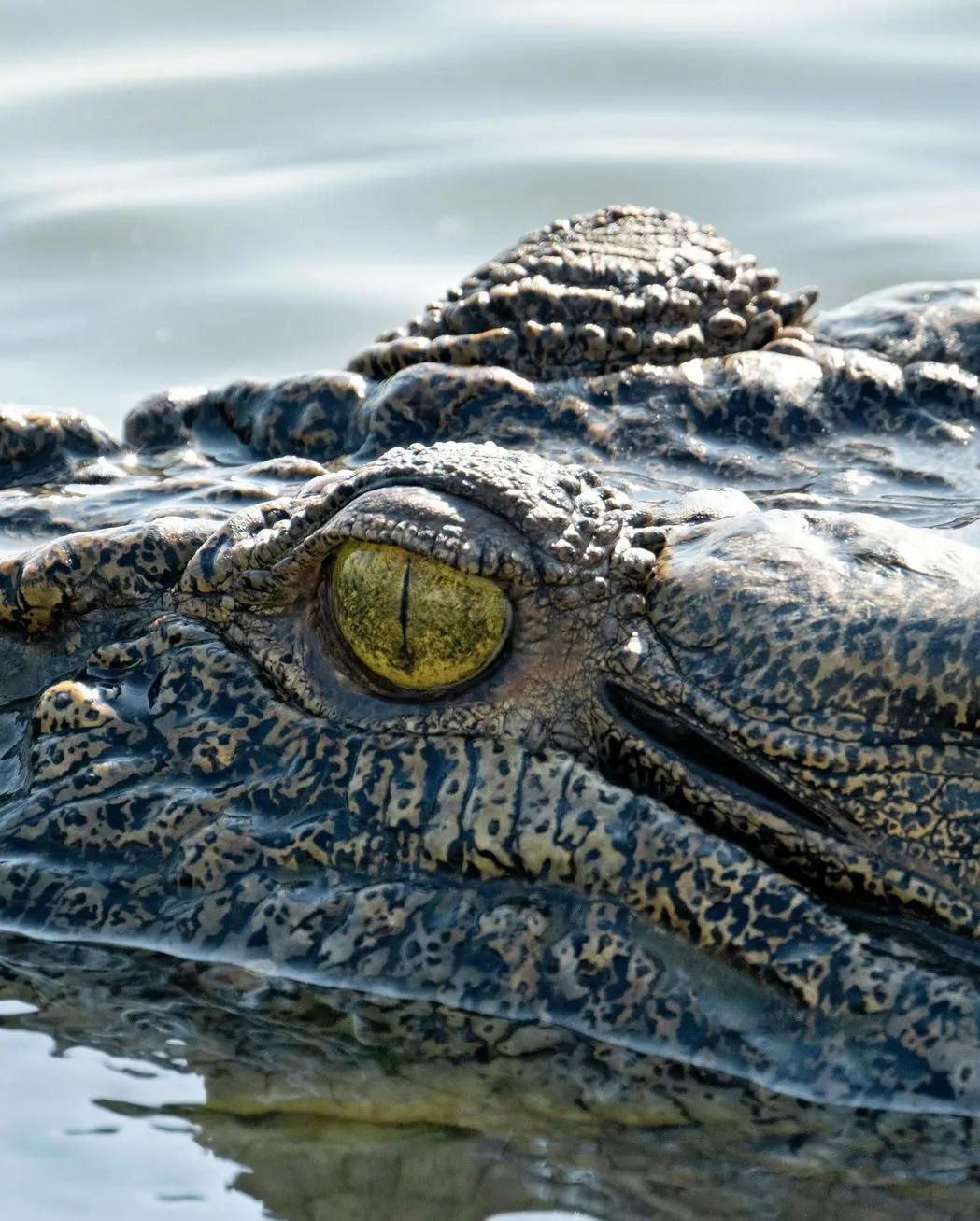
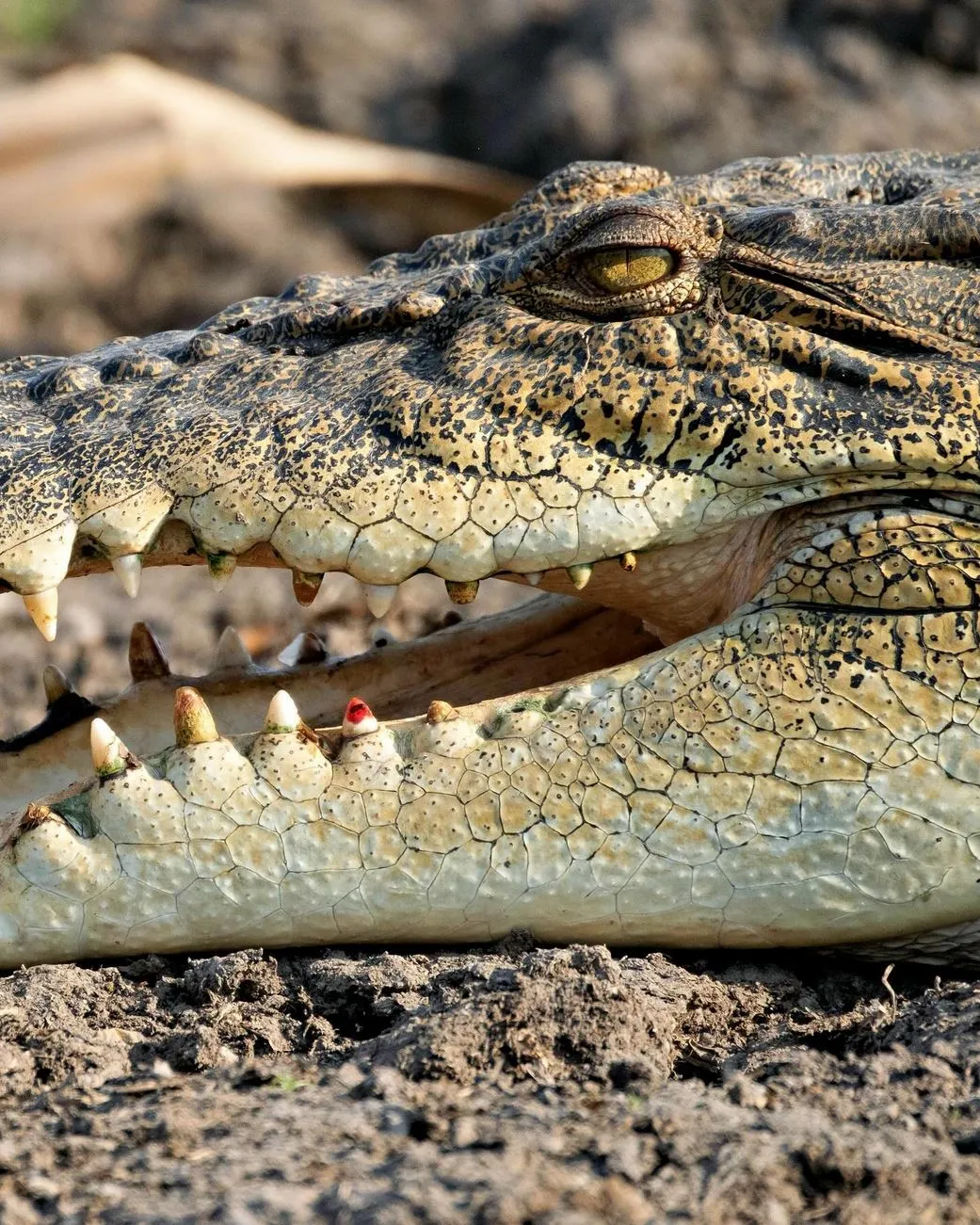
Salties are ambush predators and should never be underestimated. They are highly territorial and have jaws capable of cracking open larger prey instantly. While they generally avoid humans unless provoked, attacks have occurred when croc-safe measures were ignored. Visitors should always heed crocodile hazard signs and stay out of the water unless in designated safe areas. Salties are opportunistic feeders and eat reptiles, fish and even water buffalo that venture too close to the water. The biggest saltwater crocs have been recorded at 6 meters (20 feet) long and over 1,000 kg (2,200 lbs).
Staying Safe Around Crocodiles
- Follow all warning signs – If a sign says no swimming, listen.
- Stay at least five meters from the water’s edge – Crocodile neighbours can pop out of the water in an instant.
- Avoid the water at night – Crocodiles are most active at night.
- Use designated viewing platforms and guided tours – Experts know how to keep you safe while getting you up close and personal with a crocodile.
Wet Season vs Dry Season
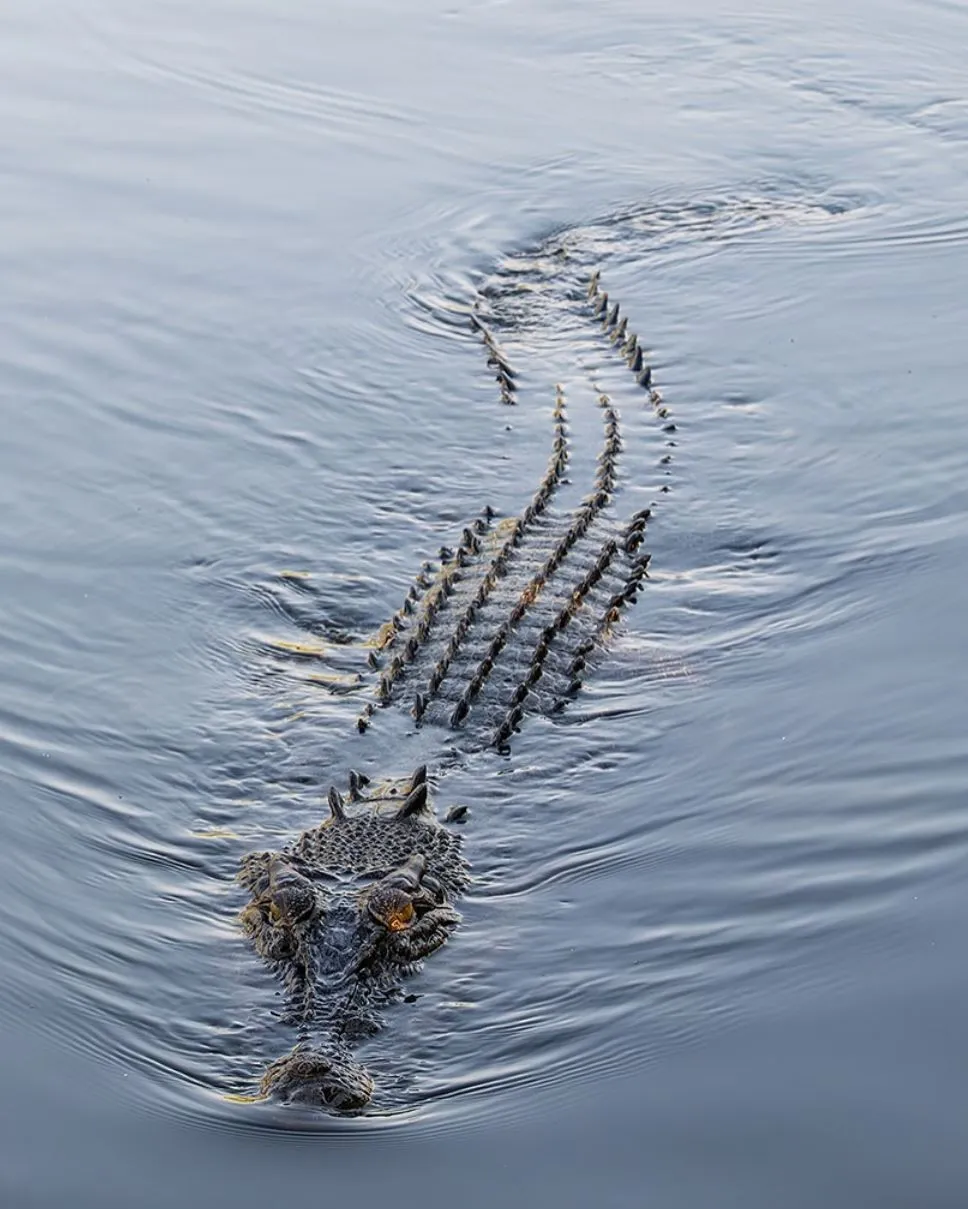
The wet season (November–April) brings higher water levels and crocodiles spread out across the river channels, while the dry season (May–October) is the best time to see crocodiles as they congregate in billabongs and river banks. During cooler times, crocodiles bask in the sun to regulate their body temperature as they are cold-blooded.
Booking Kakadu tours during these seasons means your itinerary will be well-organized and show you the best times and places to see crocodiles.
Crocodile Conservation
The crocodile conservation in Kakadu ensures croc species thrive and minimal human-wildlife conflict. Crocodile management involves removing problem crocs and using crocodile traps near tourist areas. But the park is still croc country and visitors must always be cautious.
Conclusion
Saltwater crocodiles are an awesome and important part of Kakadu National Park. While they can be dangerous, responsible tourism and paying attention to croc warnings means you can see them from a safe distance. If you’re heading to Kakadu, book a crocodile cruise or crocodile feeding tour to see them in the best and safest way. Exploring Kakadu through Kakadu day tours will take your adventure to the next level and get you up close and personal with these amazing reptiles.
FAQ
Are saltwater crocodiles in every part of Kakadu National Park?
No, but they are in most rivers, billabongs and wetlands. Always assume crocs are present near water.
Can you swim anywhere in Kakadu National Park?
Swimming is not recommended in most areas due to crocodile risk. Only swim in designated safe areas and check for up-to-date warnings.
What time of year is best to see saltwater crocodiles in Kakadu?
The dry season (May–October) is the best time to see crocodiles as water levels drop and they become more concentrated in crocodile habitats.
How big do saltwater crocodiles get in Kakadu?
The biggest crocodiles in Kakadu can get up to 6 meters (20 feet) long and 1,000 kg (2,200 lbs) heavy.
Are crocodile tours safe in Kakadu National Park?
Yes, croc adventures like boat cruises and croc cruises are designed with safety in mind. You can observe crocodiles from a safe distance and learn from expert guides. Some tours even offer crocodile swimming in controlled environments for a fun experience.